Entry · Ref 9AOZKKHM
Why Professional Mold Containment Procedures Matter for Your Home
- Posted
- 2026-10-15
- Last amended
- 2026-10-15
- Account
- @moldcontainmentprocedurestips
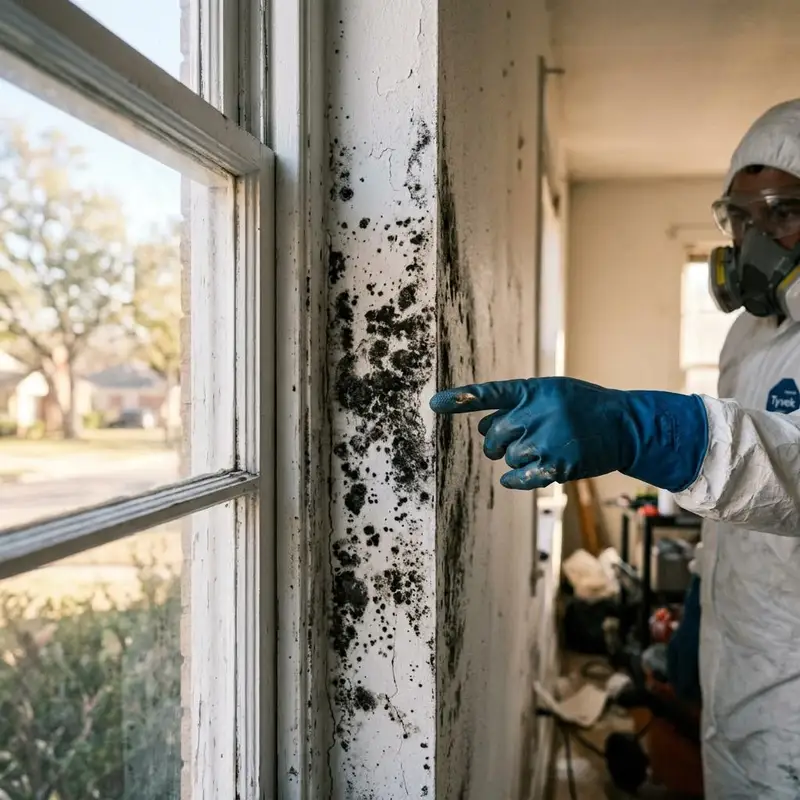
When you discover mold in your home, the first instinct might be to grab a bottle of bleach and start scrubbing. I have seen that impulse countless times in my years of work in this field. But that approach often makes things worse. Mold is not just a surface stain. It is a living organism that releases spores into the air. Disturbing it without proper preparation can spread those spores throughout your house, turning a small problem into a whole-house issue.
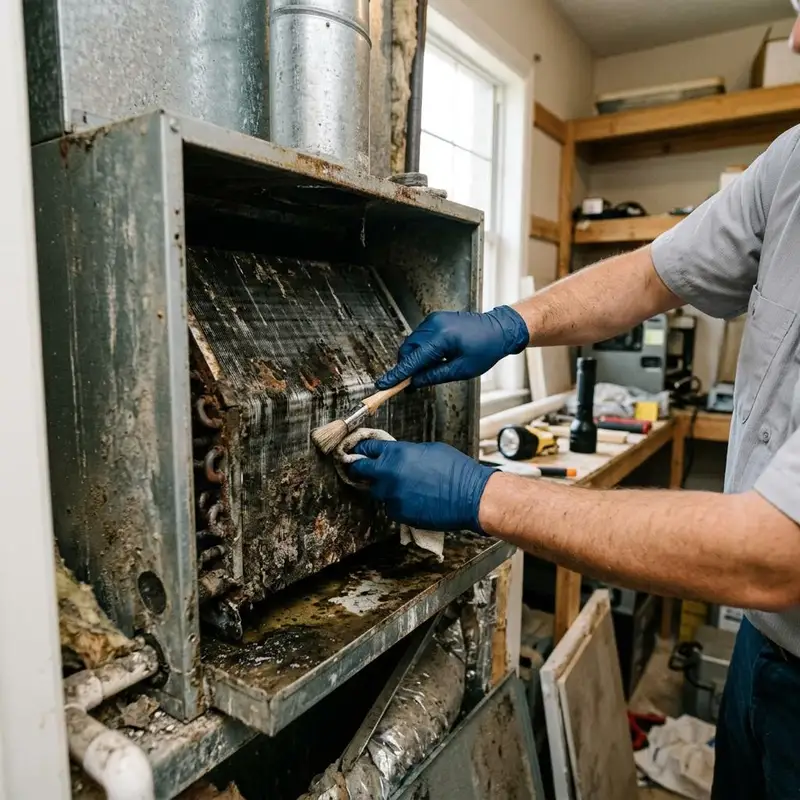
That is where professional mold containment procedures come into play. These procedures are not just about cleaning up the visible mold. They are about isolating the affected area, controlling the spread of spores, and protecting the rest of your home and the people inside it. I have worked on properties where a homeowner tried to handle mold themselves, only to end up with contamination in their HVAC system and every room upstairs. It is a costly mistake that proper planning from the start could have prevented.
What Are Mold Containment Procedures?
In simple terms, mold containment procedures are the steps taken to prevent mold spores from traveling from a contaminated area to clean areas during remediation. Every property is different, but the core principles remain the same. The goal is to create a physical and air-pressure barrier that keeps spores where they belong until they can be removed safely.
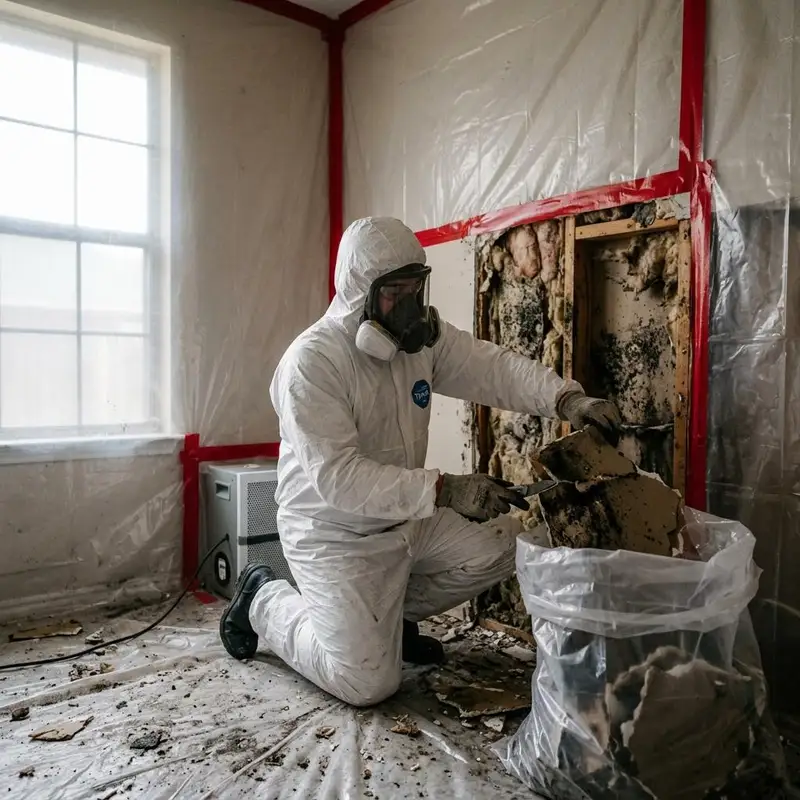
A good remediation company will start by setting up a containment zone around the work area. This usually involves building a containment barrier using polyethylene sheeting. The plastic sheeting is taped to walls, floors, and ceilings to seal off the space. It is not just a quick drape. It needs to be secured and sealed at every seam. I have seen teams use zippered entryways made of the same material, so workers can come and go without breaking the seal. It sounds simple, but getting that seal right is one of the most critical steps in the whole process.
Creating Negative Air Pressure
Beyond the physical barrier, the air inside the containment zone needs to be managed carefully. This is where negative air pressure becomes essential. An air scrubber with a HEPA filter is placed inside the containment area and set to exhaust air to the outside. This creates a vacuum effect. Air flows into the containment zone from the surrounding rooms, but it cannot flow out. Any spores that become airborne during the work are pulled into the air scrubber and trapped in the HEPA filter.
I remember a job in an older Fort Worth home where the HVAC system was directly above the mold site. If we had not set up negative air pressure, the spores could have easily been sucked into the ductwork and spread to every room. That would have turned a two-day job into a much larger project. The combination of a containment barrier and negative air pressure is the backbone of effective mold containment procedures.
Personal Protective Equipment Is Not Optional
Another essential part of the process is PPE. Workers in the containment zone need proper protection. This includes an N95 respirator at a minimum, though many situations call for a higher level of respiratory protection. The N95 respirator filters out at least 95% of airborne particles, including mold spores. But it only works if it fits properly. I have seen people wear respirators with gaps around the nose or cheeks, which defeats the purpose entirely.
In addition to respirators, workers wear disposable coveralls, gloves, and eye protection. These items are not just for comfort. They prevent spores from clinging to clothing and being carried out of the containment zone. When the work is done, all PPE is removed inside the containment area and bagged for disposal. Every piece of equipment that enters the zone either gets decontaminated or stays there until the job is complete.
Air Filtration and Scrubbing the Air
While the containment barrier and negative air pressure handle the big picture, the air inside the zone still needs constant cleaning. That is the job of the air scrubber. These machines pull air through a HEPA filter that captures particles down to 0.3 microns. Mold spores typically range from 1 to 30 microns, so a HEPA vacuum or air scrubber is very effective at trapping them.
I usually recommend running an air scrubber for at least 24 hours after the visible mold is removed. This gives the machine time to capture spores that may have settled and then become airborne again. A dehumidifier is also useful in these situations. Mold needs moisture to grow, and keeping the humidity low in the containment zone makes it harder for any remaining spores to take hold again. Moisture control is not just a final step. It is part of the containment strategy from the beginning.
Following EPA Guidelines and OSHA Standards
Professional mold remediation follows established EPA guidelines and OSHA standards. These are not just bureaucratic documents. They represent years of experience and research on how to handle mold safely. The EPA guidelines cover everything from assessment and containment to cleanup and disposal. OSHA standards focus on worker safety, including proper use of PPE and exposure limits.
I have been on jobs where the homeowner questioned why we needed to set up an isolation chamber for a small patch of mold in a closet. The answer is that you never know the full extent of the contamination until you start the work. Surface mold might look small, but the spore count in the air could be high. An isolation chamber gives you control over the situation. It lets you contain the problem, assess it properly, and deal with it without risking the rest of the property.
The Role of HEPA Vacuums in Cleanup
Once the containment zone is set up and the air is being filtered, the actual cleanup begins. A regular vacuum cleaner will not work for mold. It will blow spores right back into the air. A HEPA vacuum is designed to trap those particles. Every surface inside the containment zone gets vacuumed with a HEPA vacuum, then wiped down with appropriate cleaning solutions.
After cleaning, it is common to do a final round of air testing to confirm the spore count is back to normal levels. This step is not always required, but it gives peace of mind. A remediation company that takes containment seriously will often include this testing as part of their standard process. It is the only way to be sure the containment procedures actually worked.
Why Homeowners Should Not Skip Containment
I understand the temptation to save money by handling mold yourself or hiring the cheapest crew. But containment is not an area to cut corners. Without proper containment, you risk spreading mold spores into your HVAC system, your carpets, your furniture, and your family's lungs. The cost of fixing that spread is far higher than doing the job right the first time.
A friend of mine once tried to clean a small patch of mold in his bathroom with just a spray bottle and a rag. He did not set up any containment, did not wear a respirator, and did not seal off the room. A week later, he found mold growing on the ceiling of his living room, which is directly below the bathroom. The spores had drifted down through the floor registers. He ended up hiring a remediation company to do the whole job, including cleaning out his ductwork. That was an expensive lesson in why mold containment procedures matter.
Final Thoughts on Mold Containment Procedures
If you are dealing with mold in your home, take the time to understand how containment works. Look for a remediation company that uses polyethylene sheeting, negative air pressure, HEPA vacuums, air scrubbers, and proper PPE. Ask them how they plan to isolate the work area and what steps they take to protect the rest of your home. A good company will be happy to explain their process. They know that mold containment procedures are what separate a professional job from a disaster waiting to happen.
Mold is a persistent problem, especially in climates with high humidity. But with the right approach, it can be handled safely. The key is containment, done right, from start to finish.